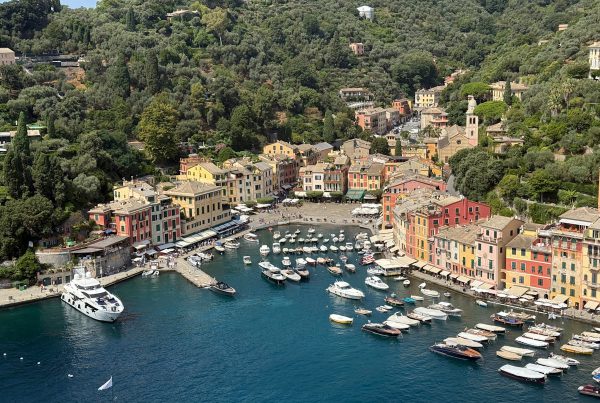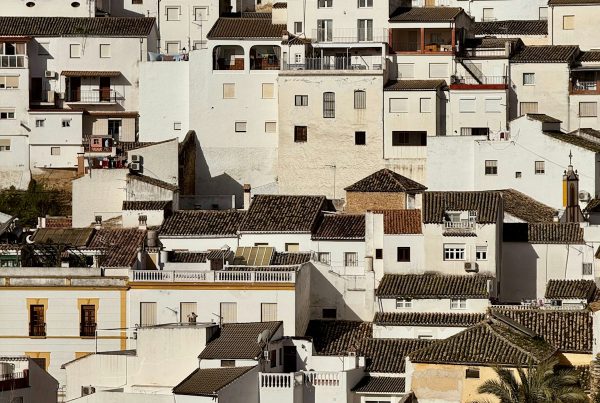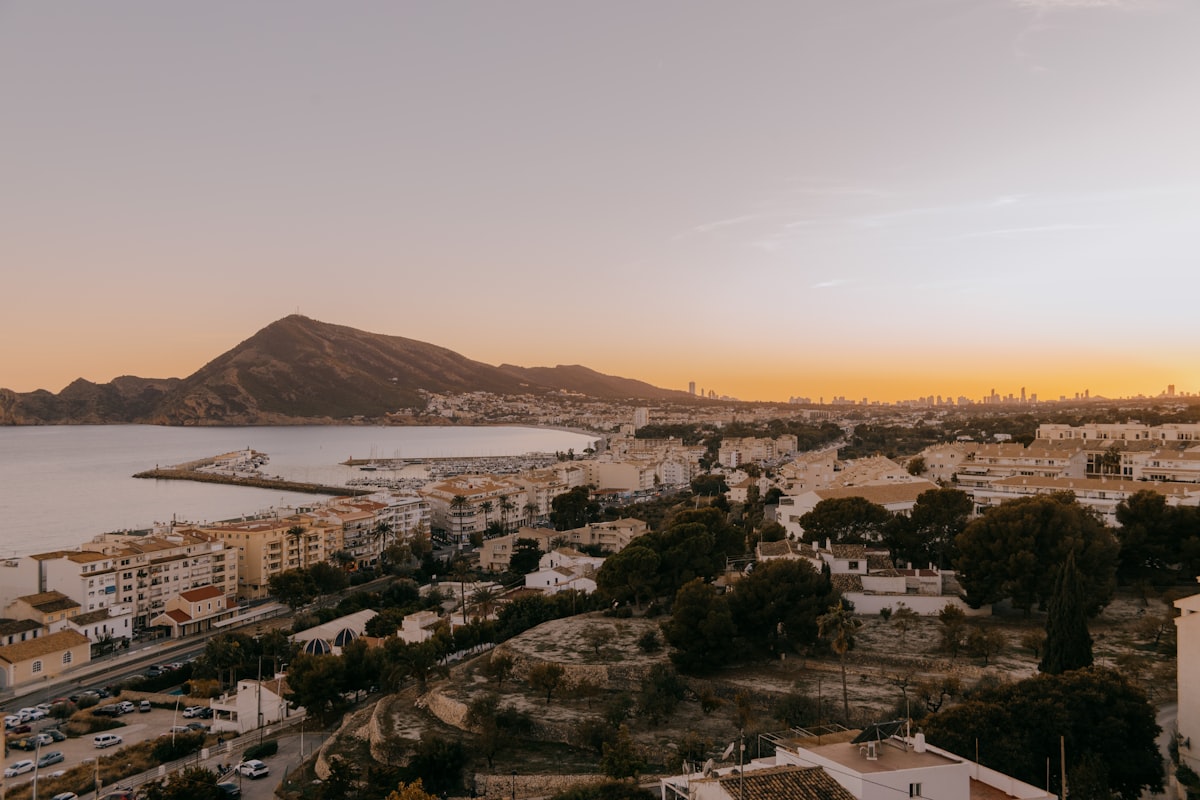
Chasing Winter Sun on the Spanish Coast
Living in Switzerland, December can feel relentless — short dark days, freezing temperatures, and a grey sky that seems to press down on you for weeks on end. When it all becomes too much, the best remedy we know is a quick escape to La Manga del Mar Menor to our House at the Camping side. In just a couple of hours by plane, you trade the Swiss gloom for bright sunshine, mild temperatures around 16 to 20 degrees, and that unmistakable Mediterranean light that lifts your spirits the moment you step outside. This short winter getaway to coastal Spain was exactly the reset we needed — no grand itinerary, no packed schedule, just sunshine, sea air, and long walks along empty winter beaches.
There is something uniquely peaceful about the Spanish coast in December. The summer crowds have long gone, the beaches are deserted, and the local towns return to their authentic rhythm. We spent our days walking along the seafront promenades, doing some bicycle trips up La Manga, enjoying leisurely lunches of fresh fish, paella or Caldero (also called Caldero del Mar Menor), the traditional rice dish from Murcia, at restaurants where we were often the only tourists, and simply soaking up the warmth. The evenings were cool enough for a light jacket and perfect for strolling through the old town streets of Cartagena, stopping for tapas and a glass of local wine. It is a different Spain from the summer version — quieter, more genuine, and deeply restorative. For anyone living in northern Europe and struggling with the winter darkness, a few days of Spanish winter sun is the simplest and most effective cure we have found.
Cartagna

One of Spain’s most historically rich cities, located on the southeastern Mediterranean coast in the Region of Murcia.
History
- Founded by the Carthaginian general Hasdrubal around 227 BC and originally called Qart Hadasht (“New City”), it was later Latinized to Carthago Nova by the Romans
- It was one of the most important ports in the ancient Roman Empire, valued for its silver mines and strategic harbor.
The Harbor
The natural harbor is considered one of the finest in the Mediterranean — deep, sheltered, and strategically positioned — which is why every major power in history wanted it. Today it remains an important Spanish Navy base.
Roman heritage
Cartagena has exceptional Roman remains, including a beautifully restored Roman theatre (Teatro Romano), discovered only in the 1980s beneath the city, which seats around 7,000 and is now a major museum and attraction.
Semana Santa
The city is famous for its Easter processions, among the most elaborate and emotionally intense in Spain, rivaling those of Seville.
Modernista architecture
The city center has a striking collection of Art Nouveau buildings from the early 20th century, giving it an unexpected elegance alongside its ancient ruins.
A compact, layered city — very rewarding to explore if you’re ever in the region.
Capo de Palos
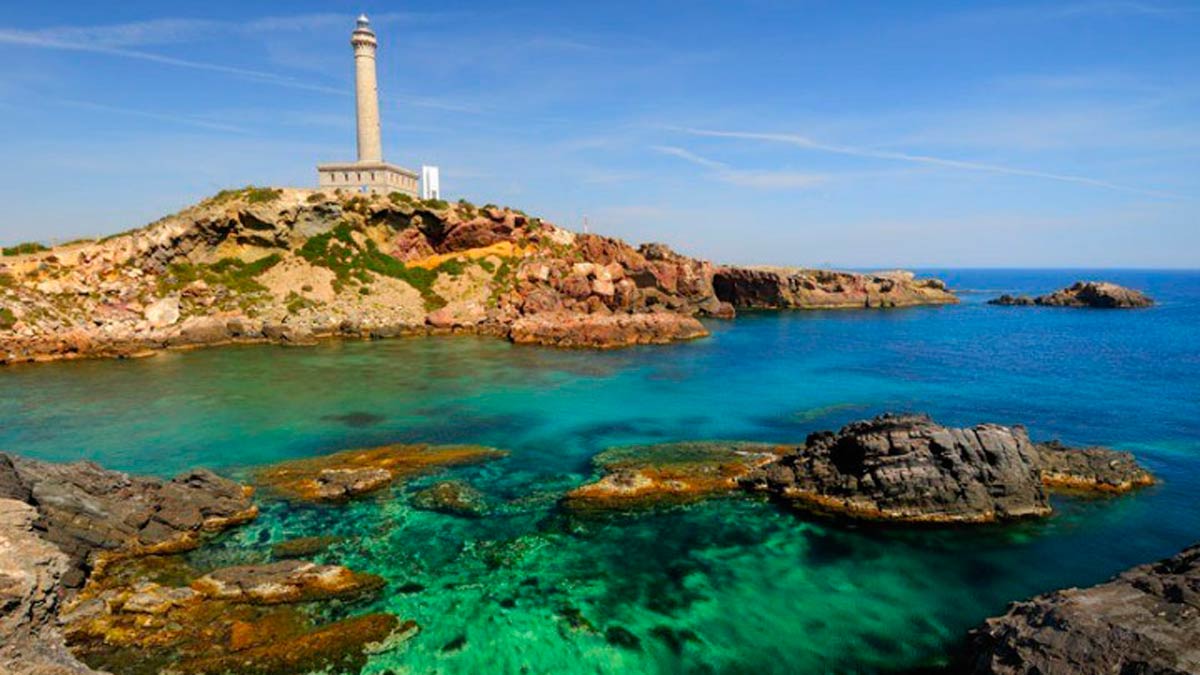
It is a small fishing village and cape on the Murcian coast, about 25 km southeast of Cartagena. Despite its modest size, it punches well above its weight in terms of natural beauty and underwater richness.
The Lighthouse
The iconic lighthouse (faro) perched on the rocky headland is the symbol of the village — one of the most photographed spots on the Murcian coast. It dates from the 19th century and offers sweeping views over the Mediterranean.
Diving paradise
Cabo de Palos is arguably the best diving destination in Spain and among the top in the Mediterranean. Together with the nearby Islas Hormigas (a small rocky archipelago), it forms a marine reserve of exceptional biodiversity:
- Strong currents bring cold, nutrient-rich water, supporting large marine life
- You can encounter grouper, barracuda, moray eels, octopus, and even sunfish (mola mola)
- The area is famous for posidonia oceanica meadows (protected seagrass)
Highlights
- Escaping the Swiss winter gloom for bright Mediterranean sunshine in just two hours
- Long walks on deserted winter beaches with only the sound of the waves
- Authentic tapas and fresh seafood in quiet local restaurants without tourist crowds
- The unique atmosphere of a Spanish coastal town in its off-season — peaceful and genuine
Travel Tips
December on the Spanish Mediterranean coast offers pleasant daytime temperatures of 16 to 20 degrees Celsius, though evenings can be cool so pack layers. Airlines from Switzerland make this an affordable weekend escape — book early for the best fares. The Alicante and Murcia coasts tend to be the warmest and driest in December. Take advantage of the quiet season to explore old towns and local markets without the summer crowds. It is also an excellent time for hiking coastal paths that would be too hot in summer.