Crossing to the Coast: Interior Spain to La Manga
Today marks a dramatic shift in our road trip as we leave the arid interior of Spain behind and ride east towards the Mediterranean coast. The route from Vaya Vieja takes us through the gradually changing landscape of the Murcia region, where dry brown plains slowly give way to irrigated farmland, orange groves, and eventually the unmistakable shimmer of the sea on the horizon. After days of inland riding through dusty Castilian towns, the first glimpse of blue water is genuinely exciting.
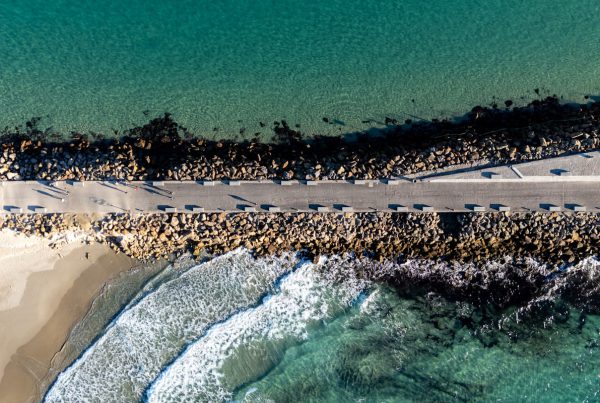
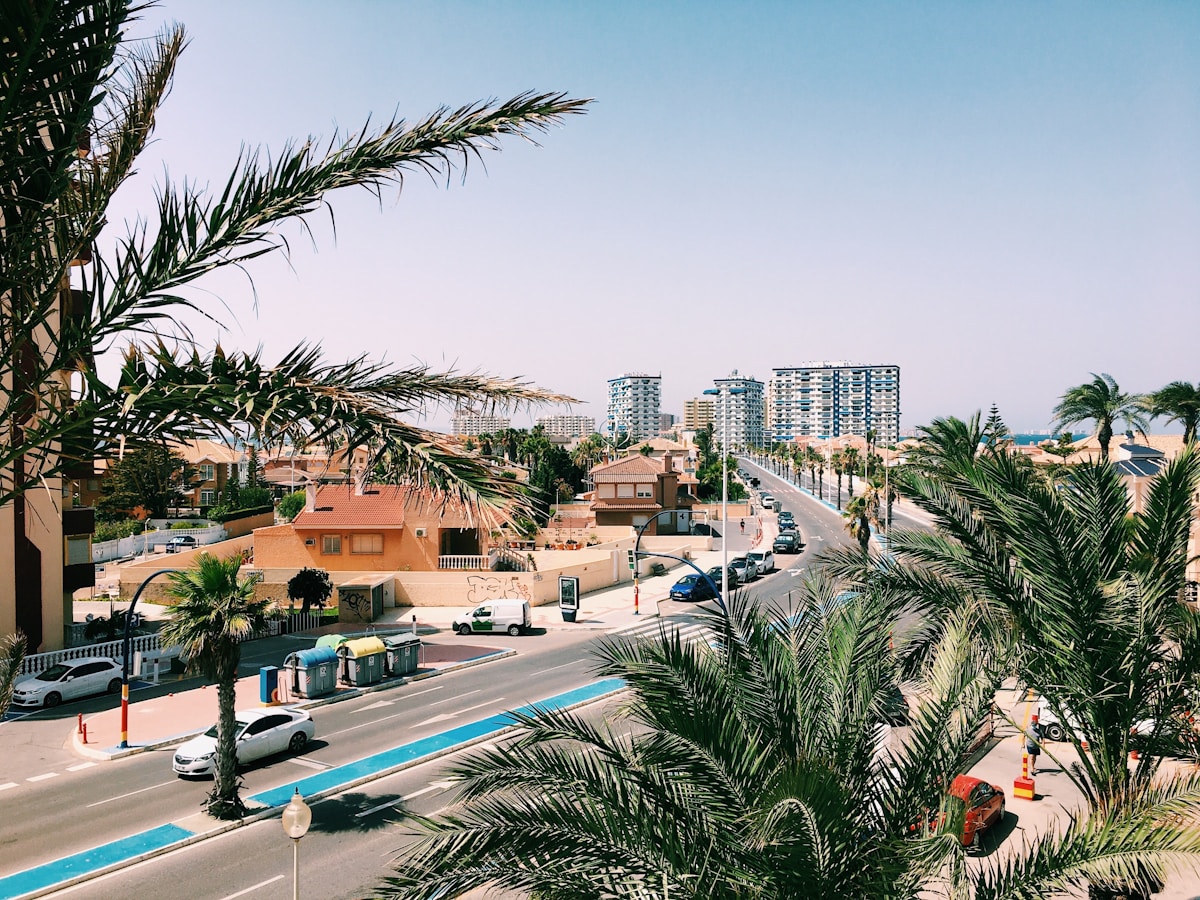
La Manga del Mar Menor is unlike anywhere else on the Spanish coast. It is a remarkable thin strip of land — barely 300 metres wide in places — that stretches for over 20 kilometres between the open Mediterranean Sea on one side and the calm, warm Mar Menor lagoon on the other. Riding along this narrow spit feels almost surreal, with water visible on both sides of the road. The Mar Menor is one of the largest saltwater lagoons in Europe, and its shallow, warm waters have made it a popular destination for families and watersports enthusiasts for decades. We arrive in the late afternoon heat and waste no time cooling off in the impossibly warm lagoon water.
Route Highlights
- The transition from dry interior Spain to the lush Mediterranean coast
- La Manga’s extraordinary thin strip of land between two bodies of water
- The Mar Menor lagoon — one of Europe’s largest saltwater lagoons
- Riding with the Mediterranean Sea on one side and calm lagoon on the other
- Orange groves and irrigated farmland of the Murcia region
Travel Tips
La Manga can be extremely busy in July and August, so if you are visiting on a motorbike, be prepared for heavy traffic along the single main road that runs the length of the strip. The Mar Menor side is warmer and calmer for swimming, while the Mediterranean side has larger waves and cooler water. Accommodation ranges from high-rise apartments to smaller guesthouses — book well in advance during peak season. The local seafood restaurants along the strip serve excellent caldero, a traditional Murcian rice dish cooked in fish stock.
Previous: Cuenca, Then to Almansa | Next: La Manga, Guadix, Villanueva and Setenil